
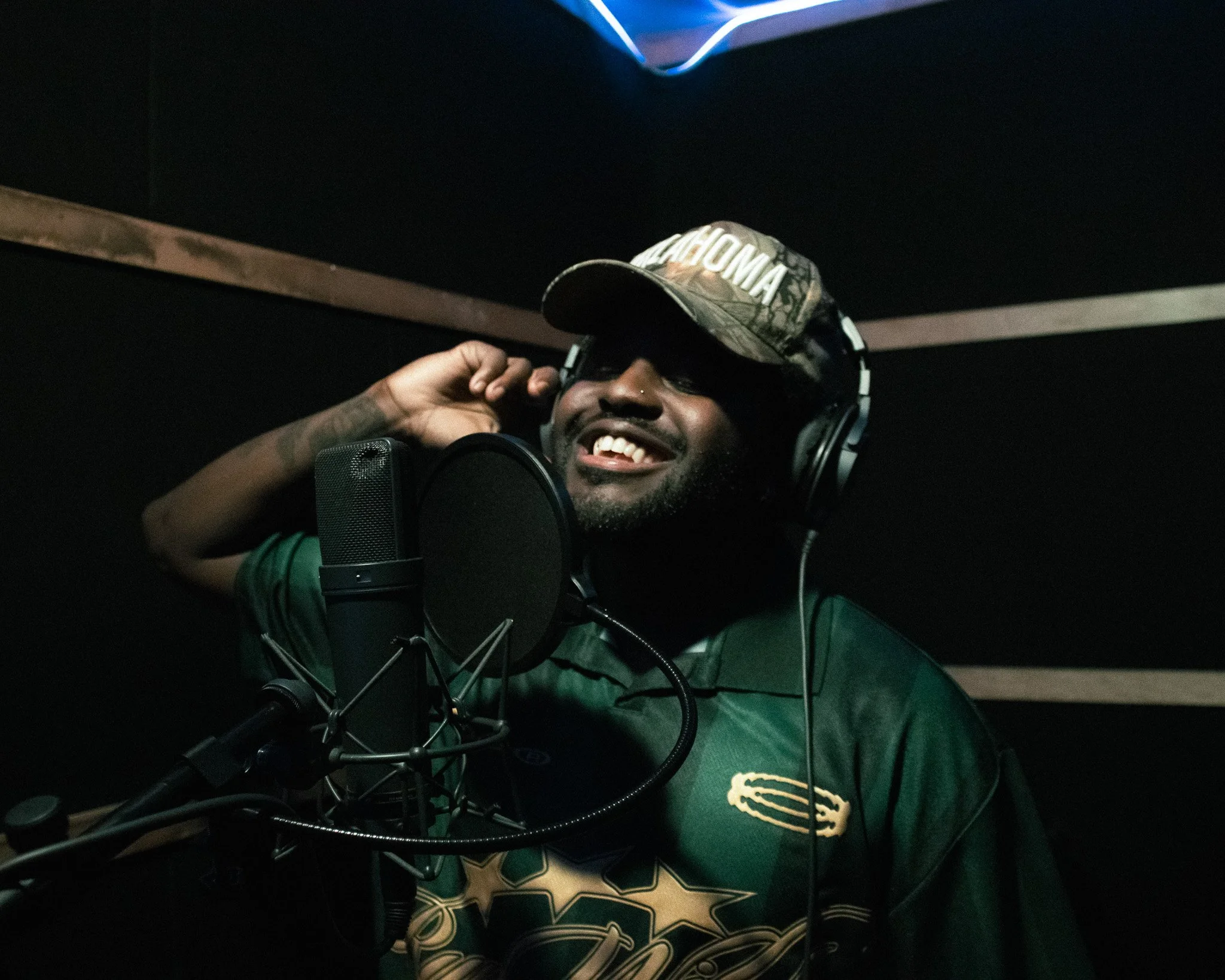
Opening Scene
It’s around 12:30 p.m. when I arrive at Kasual OWNLY, aka Marques’s Hyde Park bachelor pad. His place has everything he needs. An in-home studio with a laptop and recording equipment. A flat screen playing 6lack and J Cole. A PS5 off to the side.
Posters with motivational mantras cover the walls. Self improvement books sit within arm’s reach. Sentimental photos are tucked into corners of the room. The space feels like both a retreat and a launchpad, a good place to chill, and a good place to lock in.
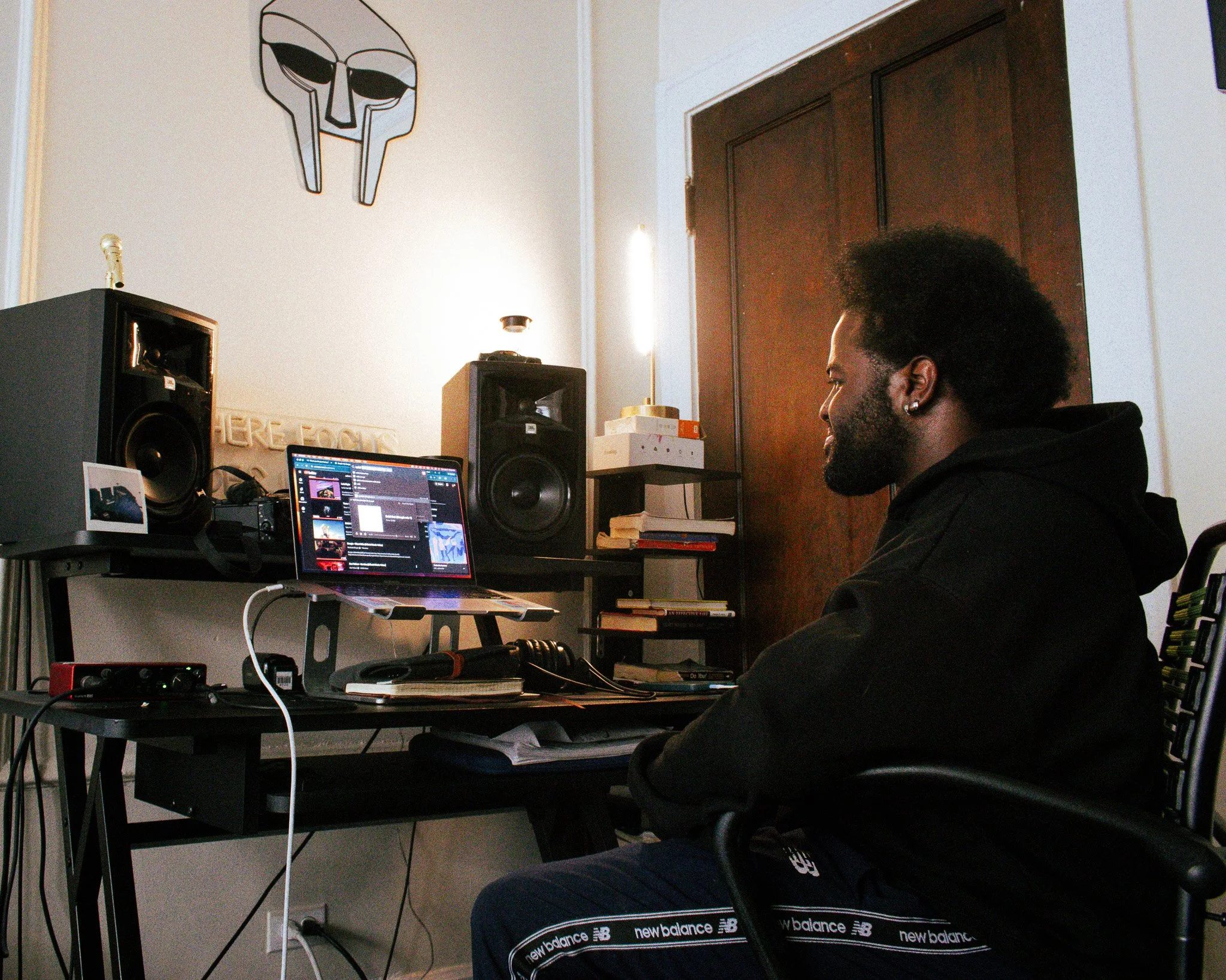
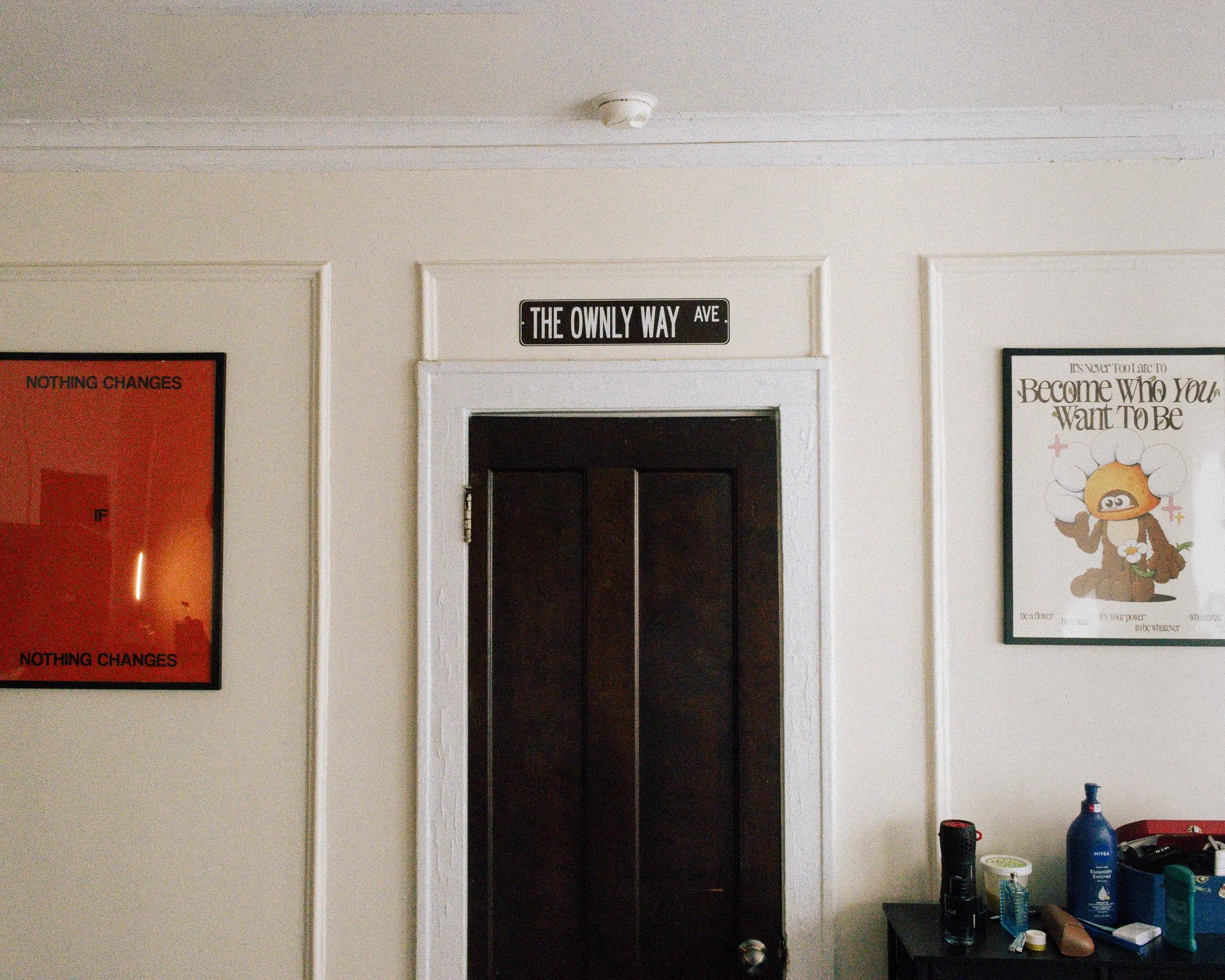
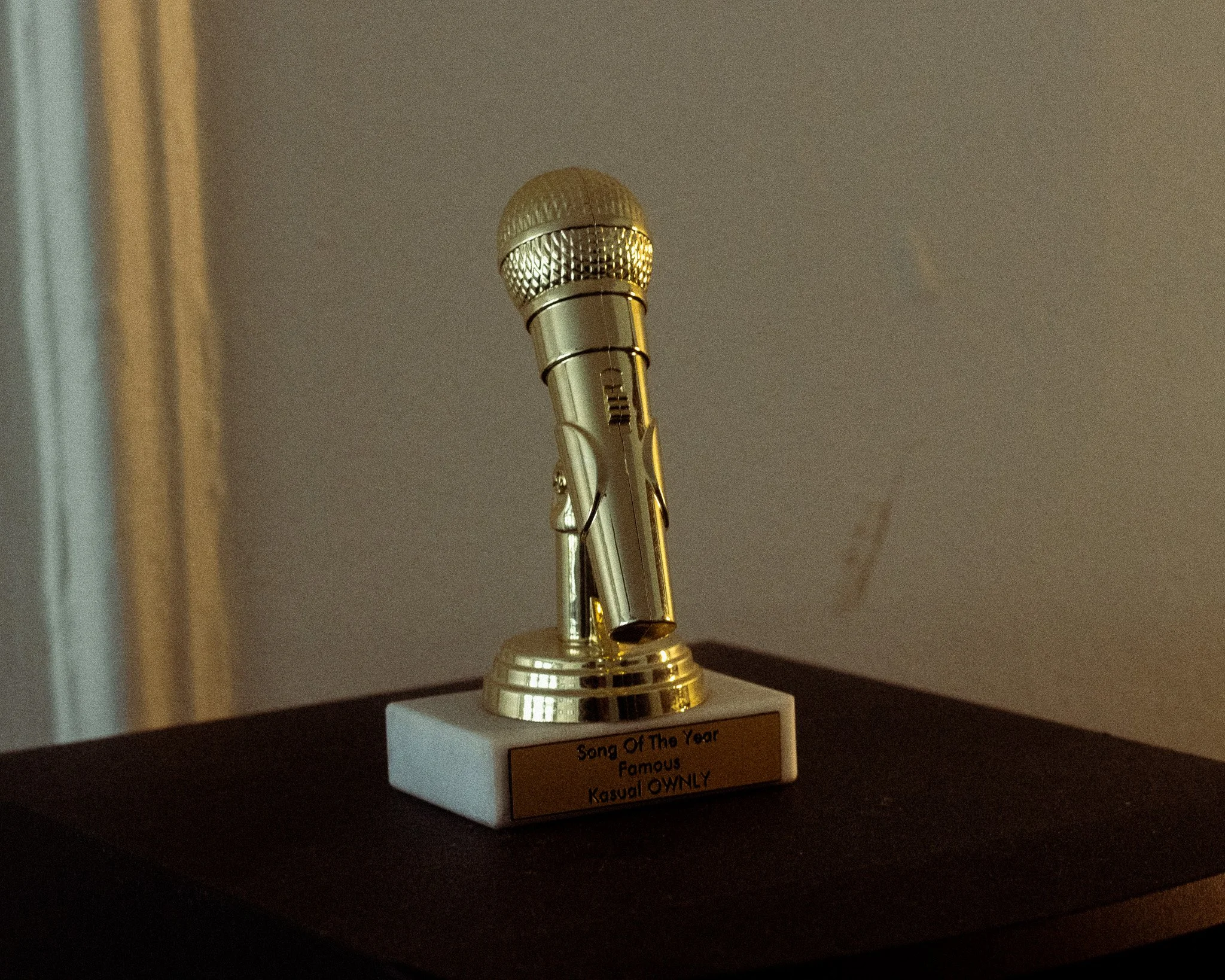
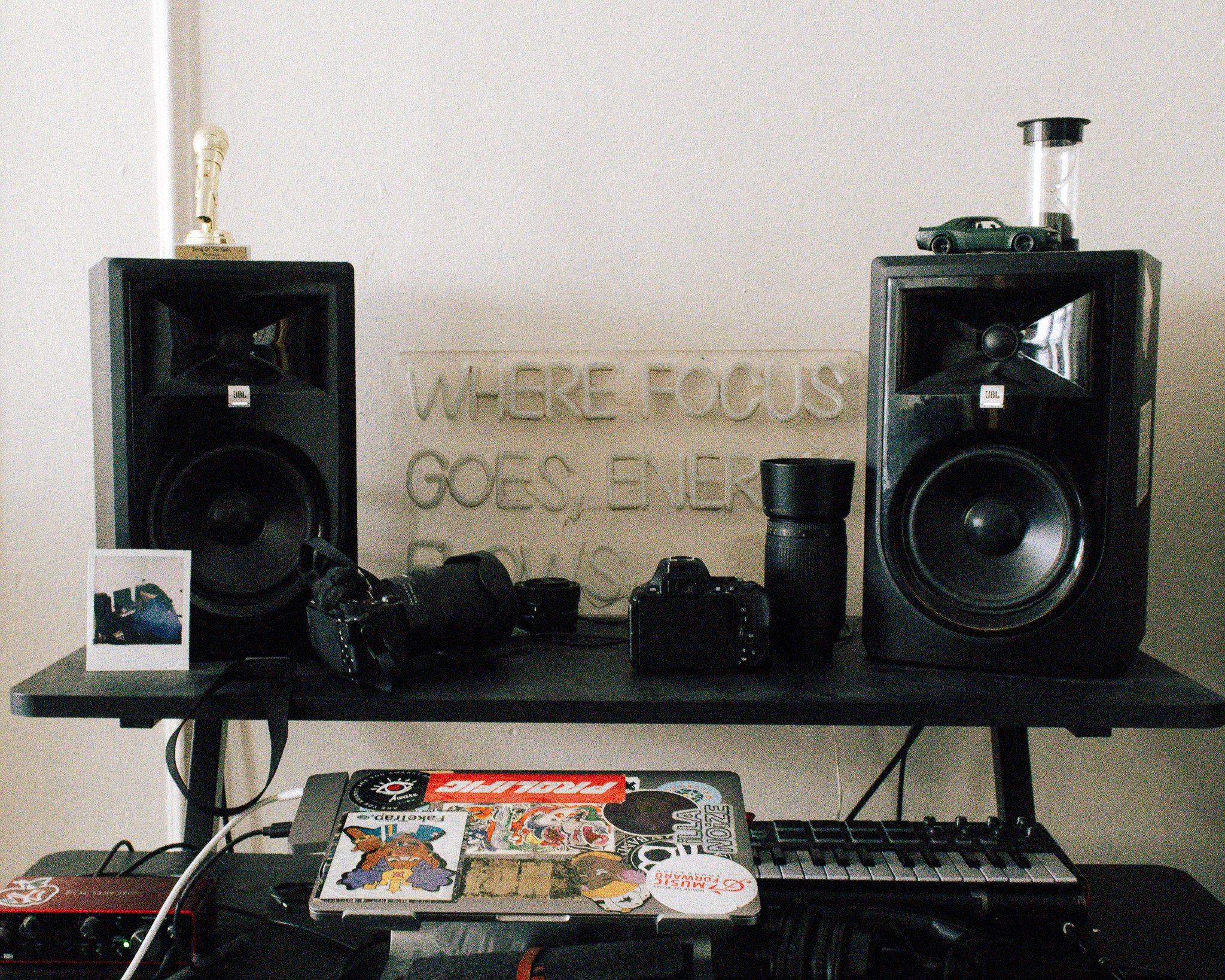
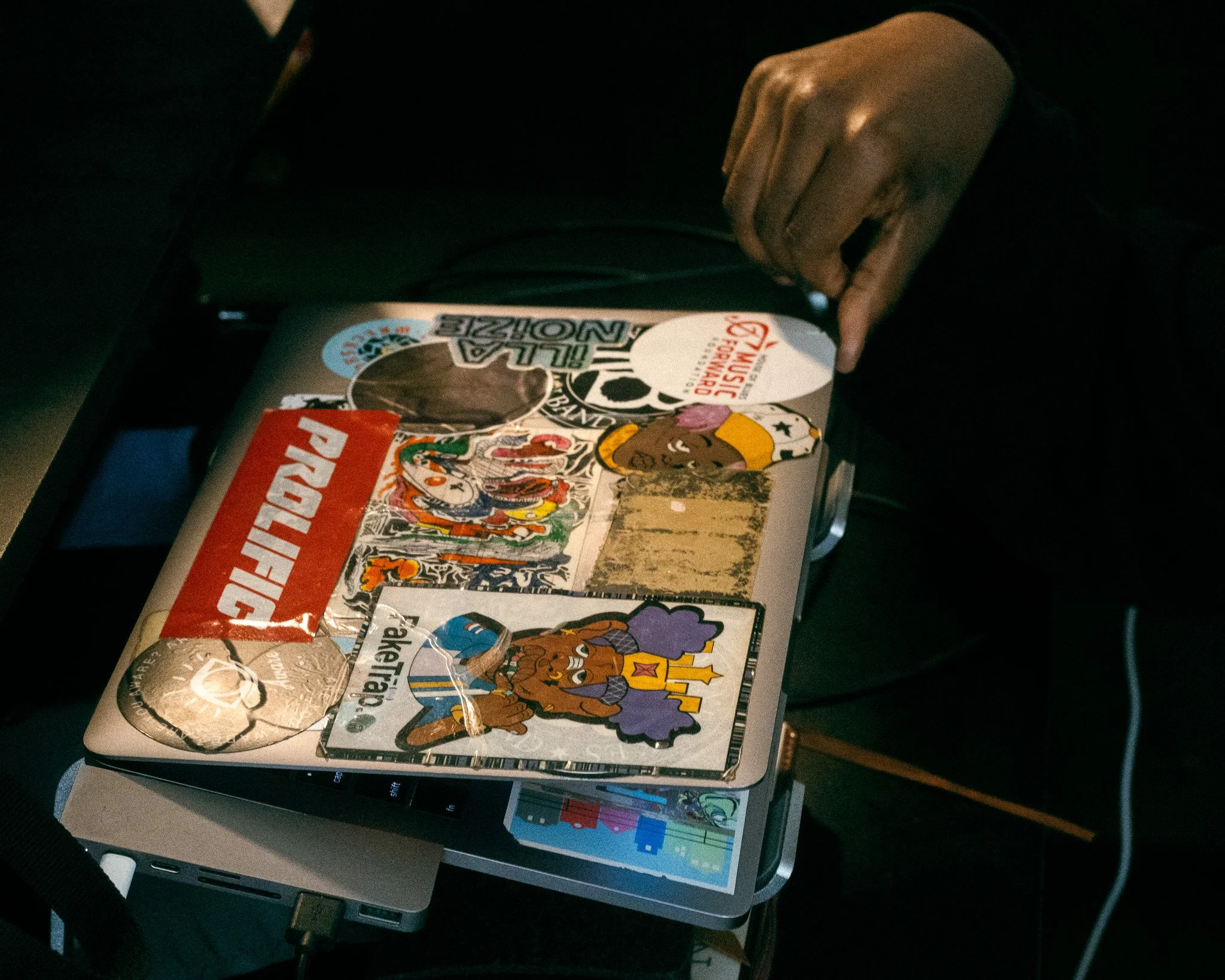
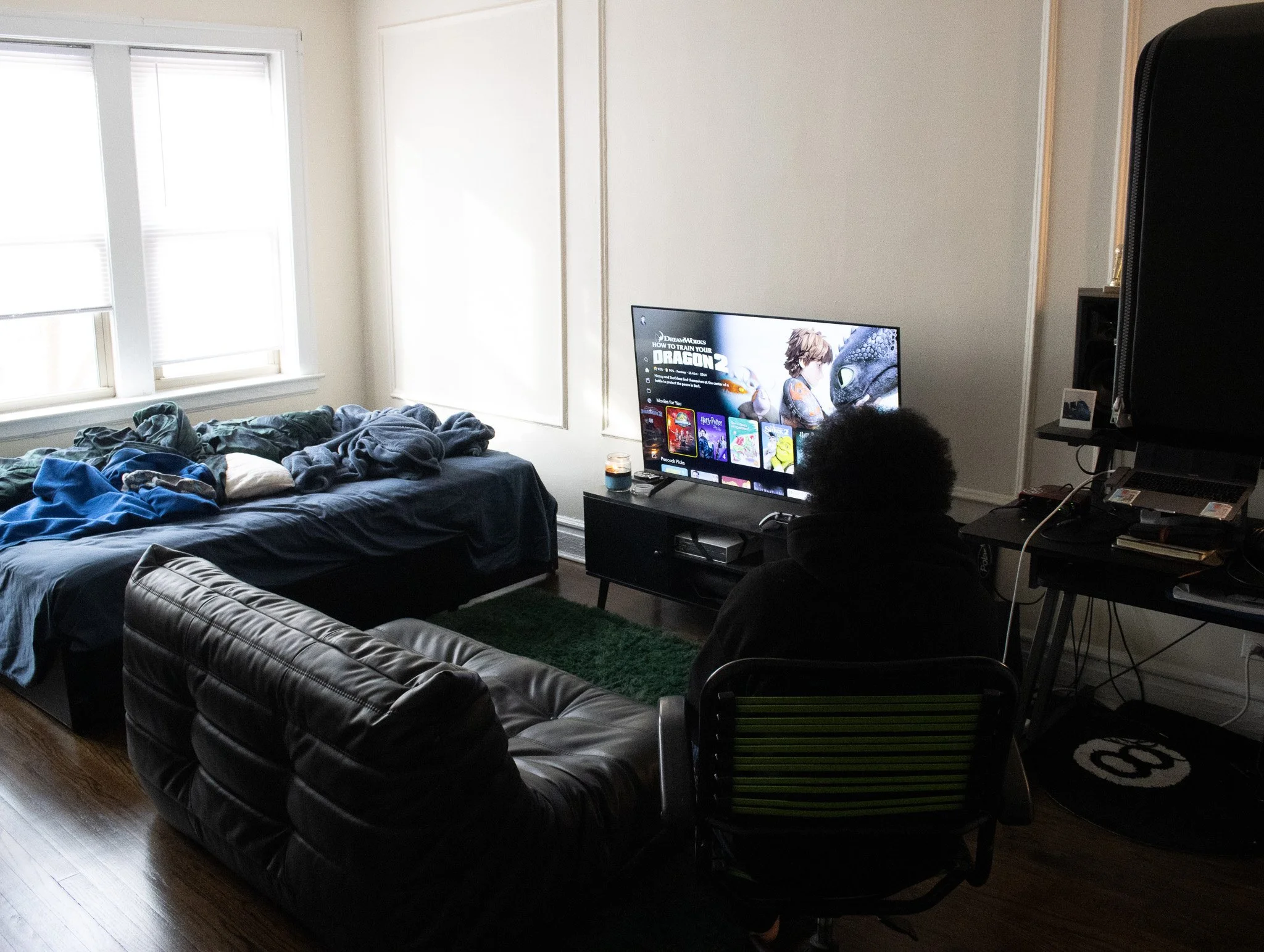
As he reclined back in his home studio chair, he told me about a girl who inspired him. “I just feel like she’s trying to speed things… I was working on this song early like around 4 AM” He presses play on a Youtube instrumental and performs a song he has written on his phone. I’m the first person outside of himself to hear it. The room goes quiet except for the music.
Then
Marques has known he was an artist since he was four years old. He started songwriting around ten. By the time he auditioned for ChiArts, he was accepted into both the visual arts and theater conservatories. He chose theater because it gave him access to expression in a way nothing else had.
ChiArts became his playground. Lunchroom freestyles with friends slowly turned into something more serious. By seventeen, he was fully committed to hip hop, releasing his first EP, For The Good Guys. “I think people saw me as the short, funny, talented upper or lower classman,” he says.
Music was where he shined. He kept his future written down in his wallet: signed to Republic Records by 23 or 24, touring, making a million dollars, putting on for his city. He wanted to invest his money, start a marketing company, and help break other artists. Everything he saw for himself was mapped out.
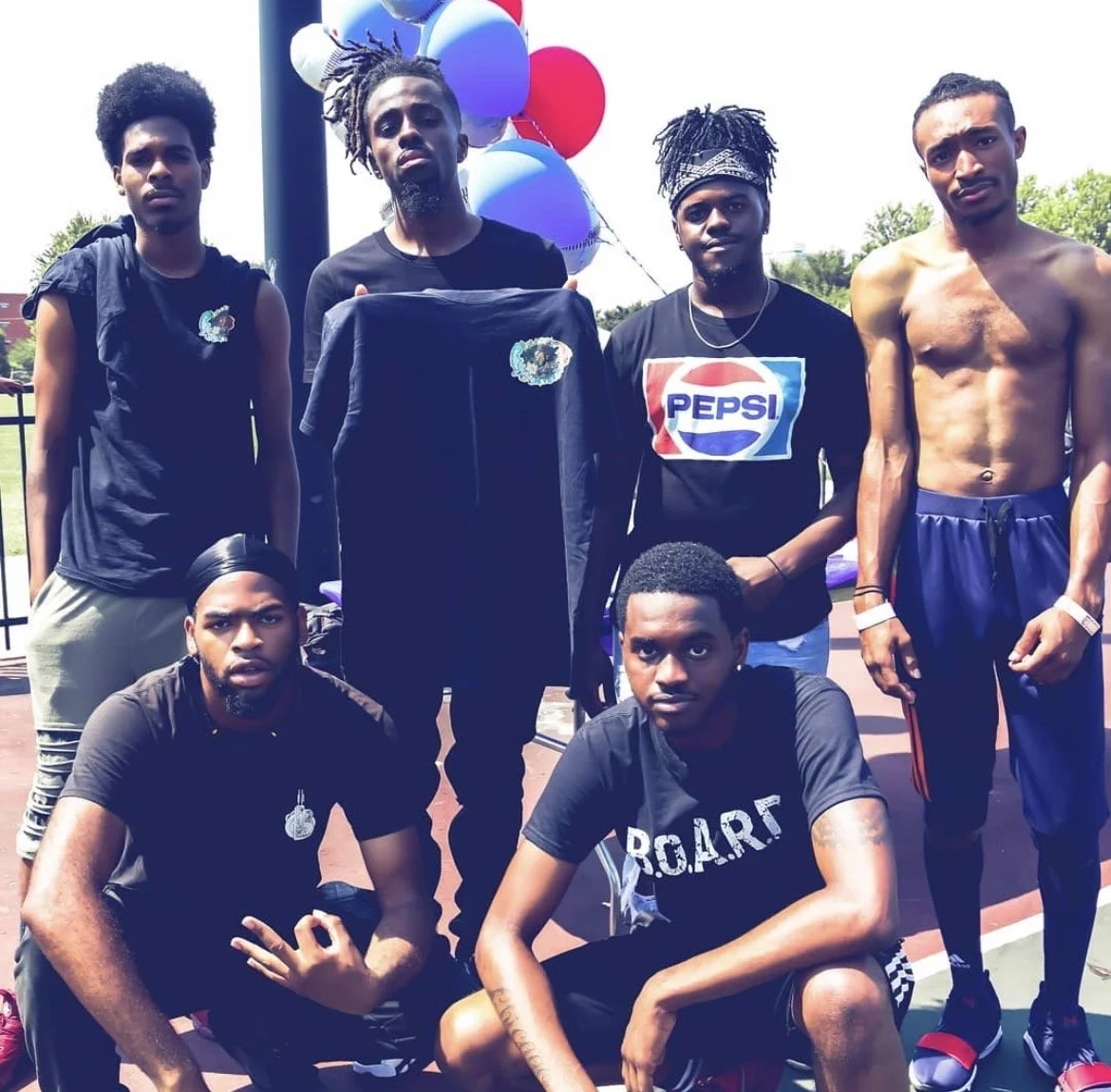
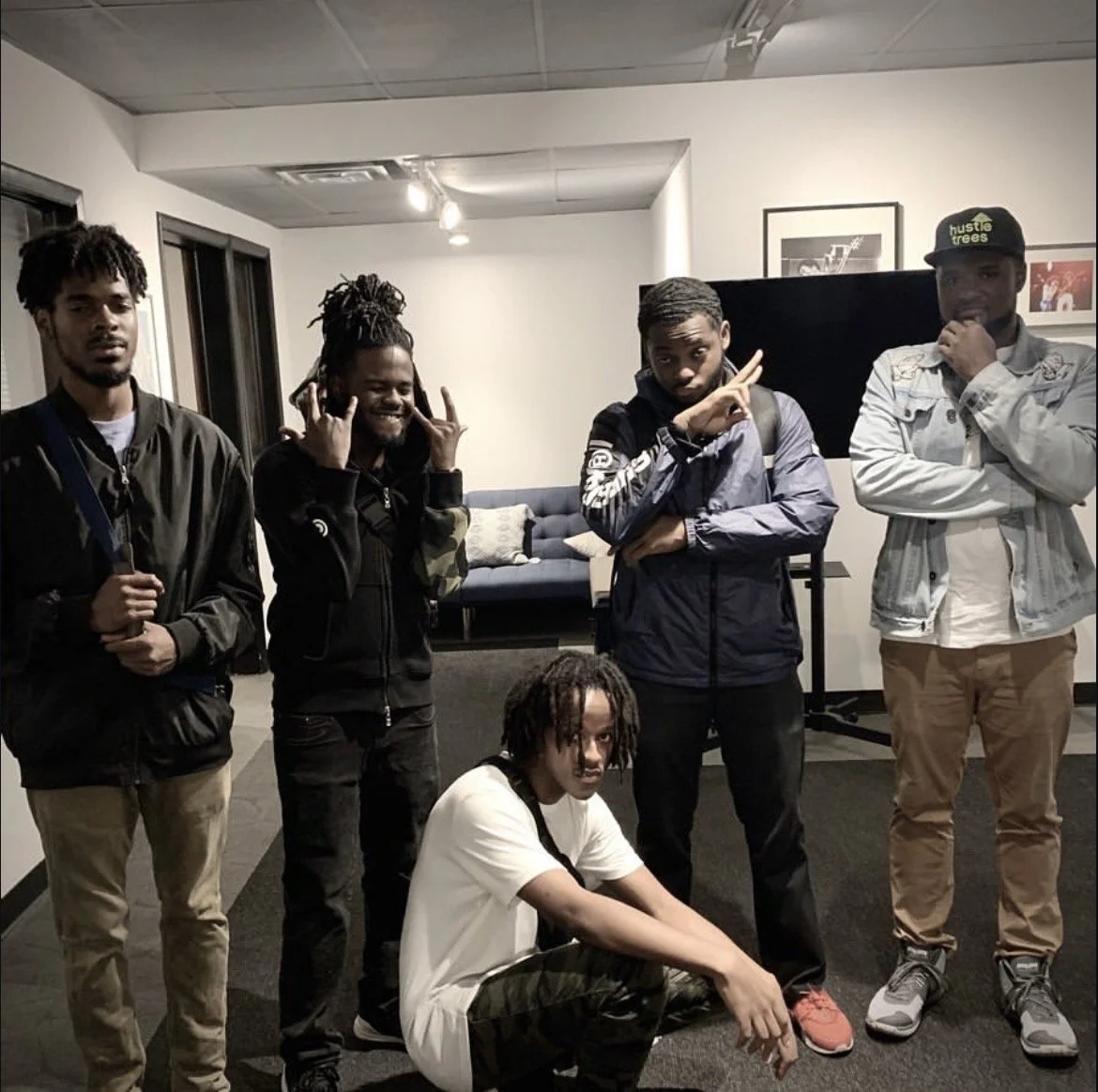
Alongside other ChiArts classmates, he formed a rap group called Board Members. They collaborated, recorded, and released a project titled Just For Fun. They were even managed by his dad for a little bit. He was inspired, writing constantly, networking, and moving with intention. At the time, everything felt possible.
The In-Between
Fresh out of high school, he hit the ground running. He enrolled at Tribeca Flashpoint Media Academy to study sound engineering, picking up technical skills that sharpened his production. But creatively, he felt boxed in. Projects were graded by personal preference, not vision. “It was cool, it was fun,” he says, “but I realized if I want to do what I want to do, I gotta take matters into my own hands.”
After about a month, he dropped out.
He released another EP, Out of Sight, and spent the next four years grinding. He produced freestyles, singles, performances and joined competitions like BET’s Amplified Artist. His parents believed in his talent, still sharing his music and talking about his work with everyone. but their support came with distance. His dad wanted control. His mom wanted practicality. Both worried about him struggling financially as an adult.
That concern came from love, but it still weighed on him. Around 2023 and 2024, doubt crept in. “What am I doing? Is this working? Am I not spending time with the right people?” At Thanksgiving his uncle asked him “ Why aren’t you famous yet?”
One lesson hit him hard: your closest people won’t always be your supporters.
Instead of pulling back, Kas doubled down. He started learning more, cameras, color grading, and online marketing courses. He became more self-sufficient. And when the doubt got loud, he made music.
Now
Kasual is still chasing the same dream, but with a wider skill set and a clearer understanding of what it takes to be great. He applies extensive research, consistency, and strategy to his art. He promotes his music intentionally, posting content, engaging supporters on social media, and releasing singles inspired by different moments and ideas.
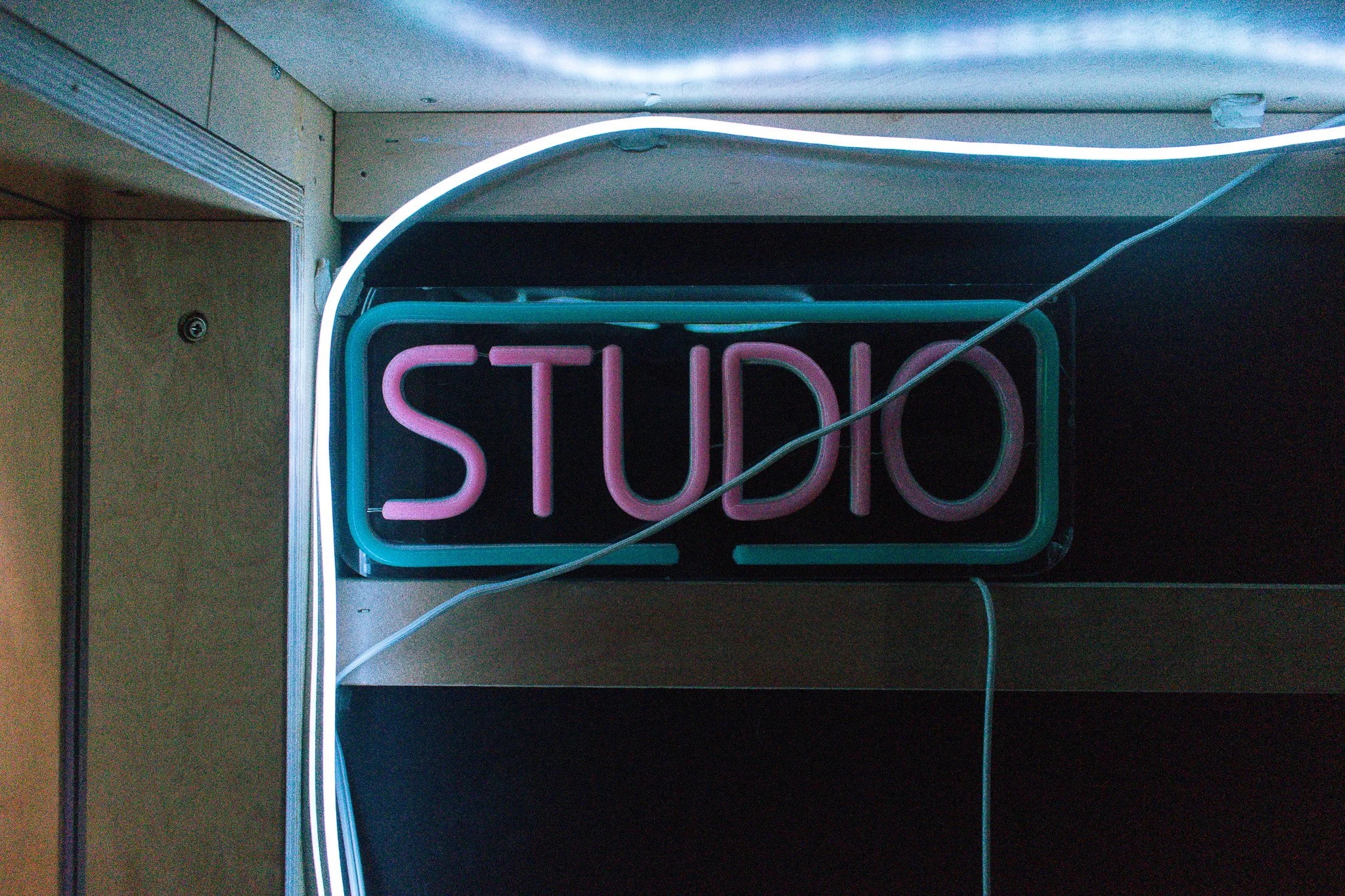
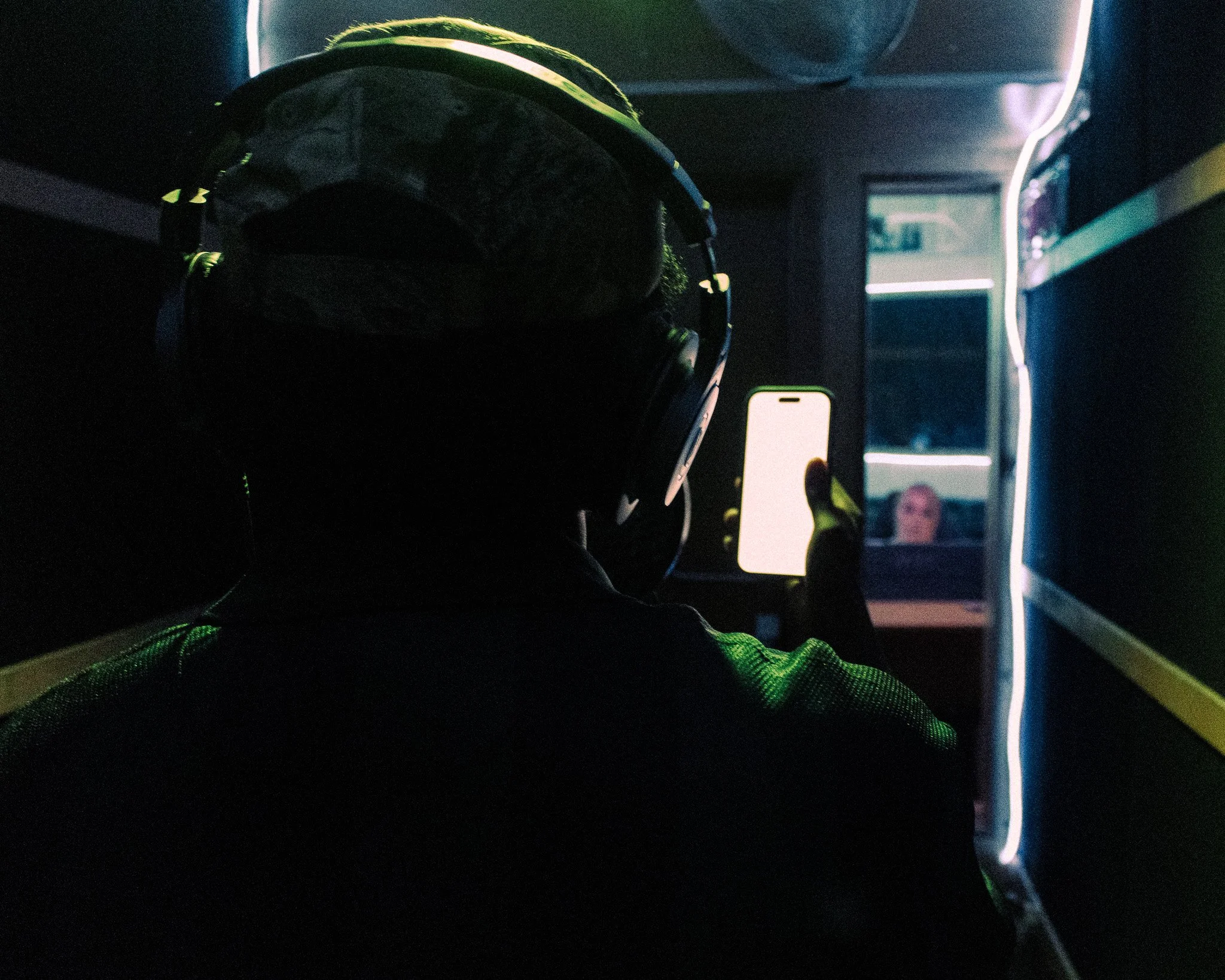
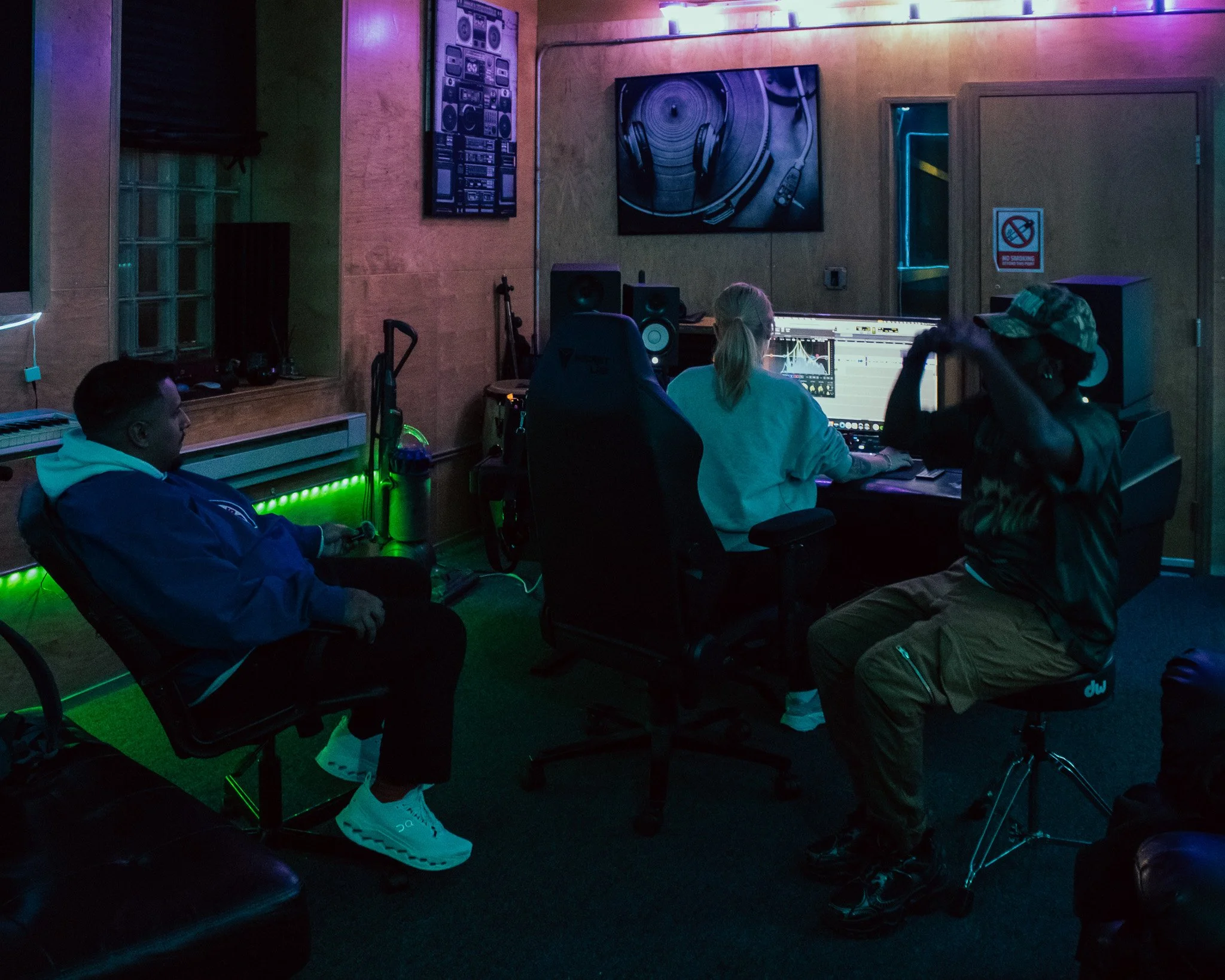
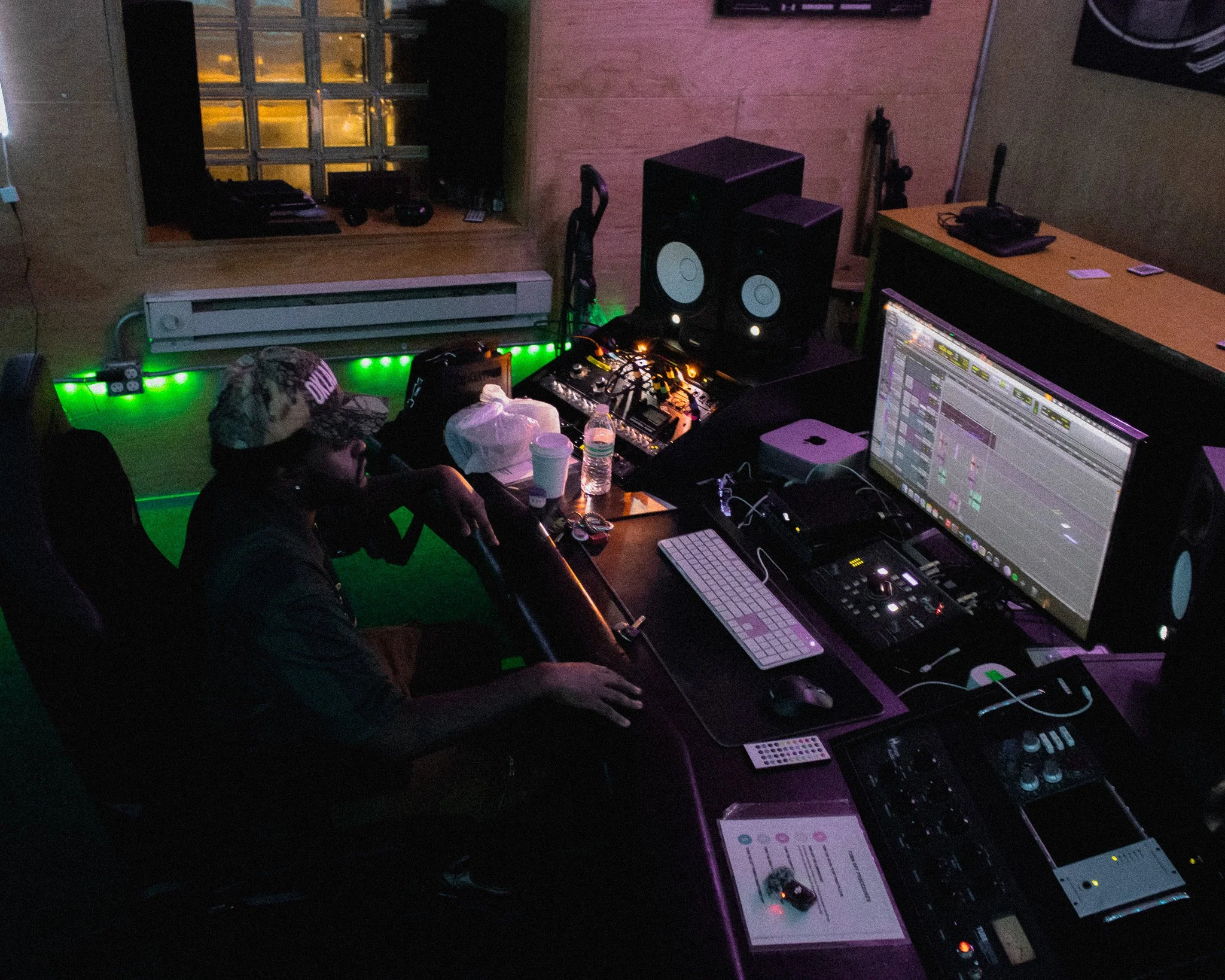
Over the course of this blog, I watched the song he previewed in his apartment continue to evolve. About a week later, I met him at Smash Studios in Fulton Market, it was a snowy day. He recorded with engineer Ksound, filmed content with his friend Robert, and sat for another interview with me. (The guy wears a lot of hats) For three hours, they tweaked the record. He moved the “100 Miles an Hour” mumble outro to the beginning. It clicked. “I feel like I had a child that’s graduating college,” he told me. “And now it’s ready to be a part of society.”
Closing
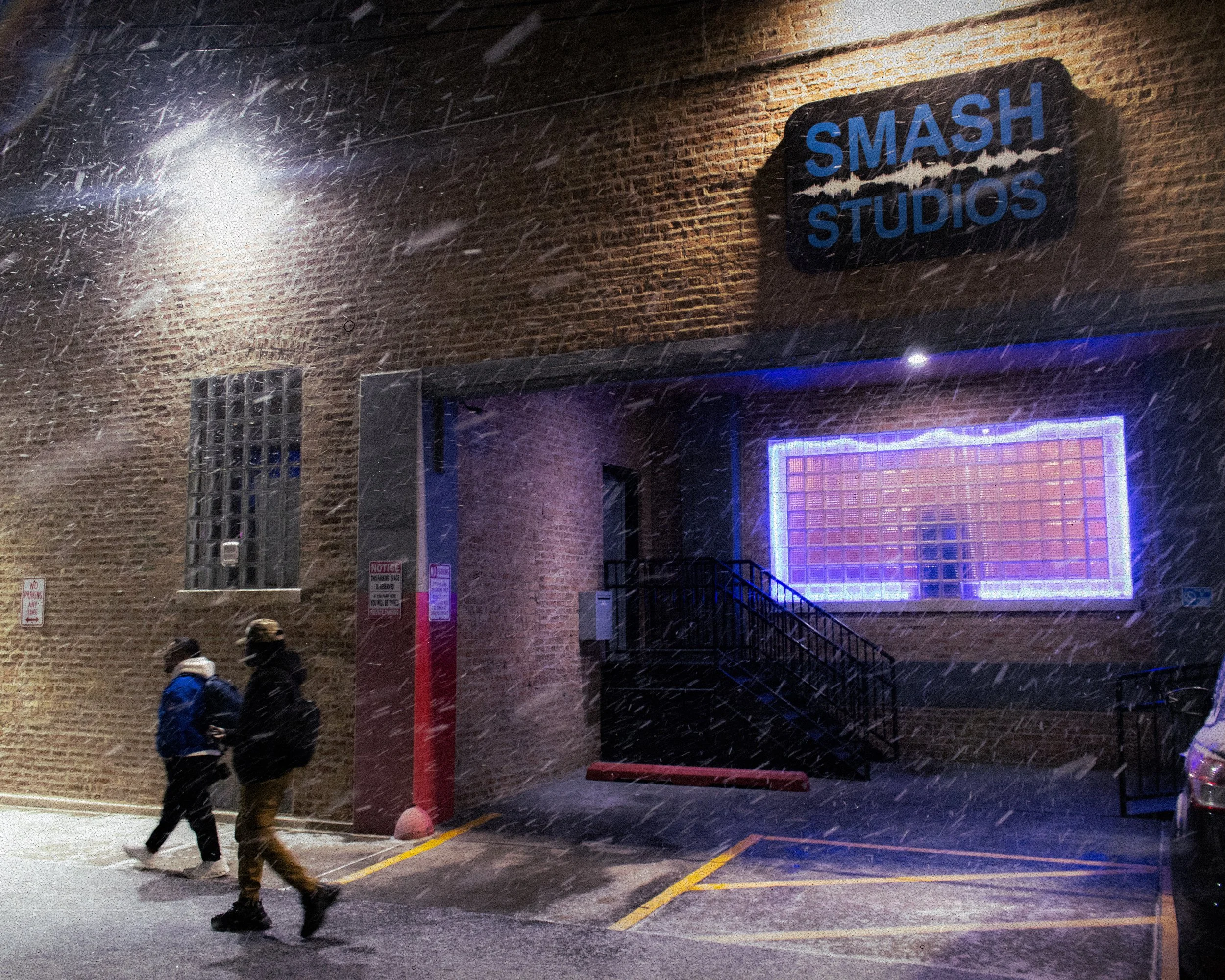
It’s snowing heavily when we step outside the studio. The street is nearly empty. Kas walks ahead of me, head down, moving through the cold without slowing.
“Having the strength to be unseen, unheard is always and will forever be the hardest part of being a recording artist,” he had told me earlier.
The snow keeps falling as he disappears down the block.